
Understanding the Purchase Journey: How to Engage Customers at Every Stage
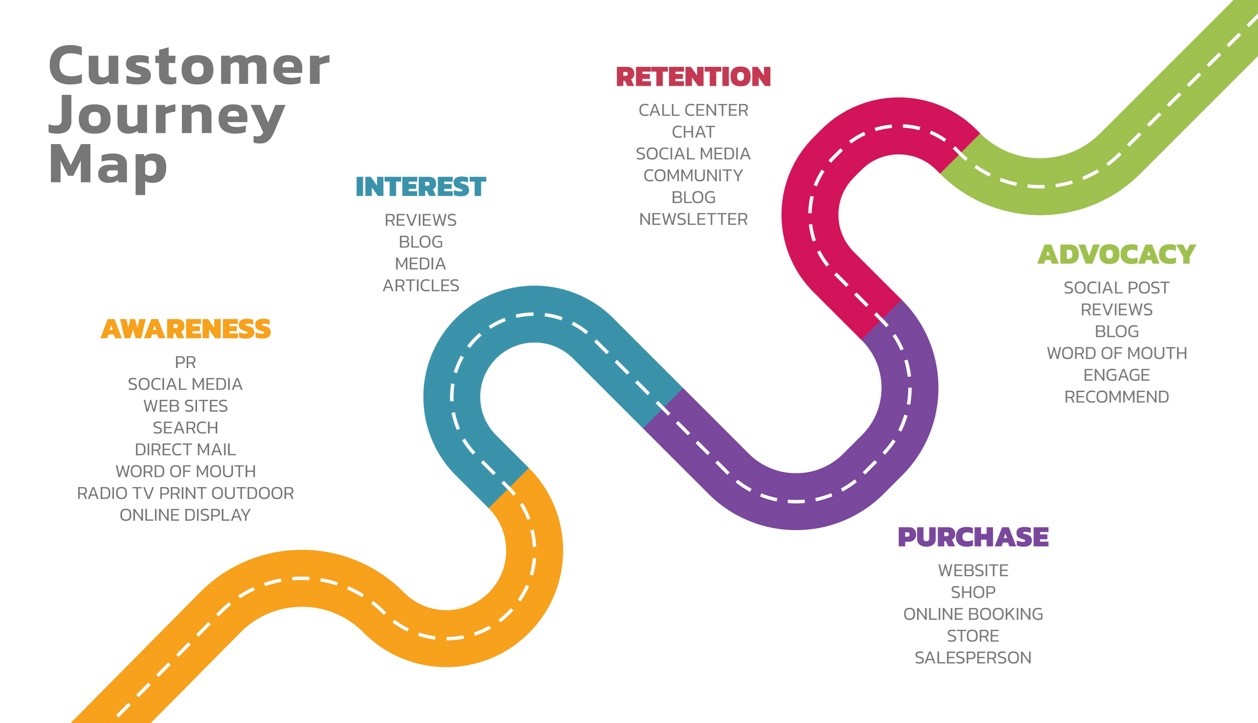
Customer Journey Map

By the time a potential customer contacts your brand, their journey is already well underway. They’ve searched, compared, asked friends, read reviews, and formed impressions, many of them about you, whether you know it or not. Understanding that process in detail, the steps they take, the information they seek, and especially the emotions they experience along the way is one of the most valuable things a brand can know.

At Nobles Research, purchase journey research is one of the areas where we consistently see the biggest impact for clients. Here’s how we approach it.

The Emotional Side of the Purchase Decision

We often think of purchase decisions as rational. Consumers compare features, prices, and reviews. But emotions are present at every stage, shaping which options get considered, which get dismissed, and which ultimately win. By identifying the emotions present throughout the journey, companies can find opportunities to reinforce the positive ones and reduce the friction caused by negative ones.

The most important insight is often not what customers think about your brand. It’s how they feel during the moments when they’re deciding whether to trust you.

Our Approach: Researching Three Key Groups

One of the most important design decisions in purchase journey research is who you talk to. We focus on three groups, each of which reveals a different part of the story:

Pre-Purchase

3–6 months out
Still forming a sense of the category. May have little to no knowledge yet. Valuable for understanding how the journey begins and what would help them get started.

Post-Purchase

Bought within 3–6 months
Journey complete. They can share what triggered the decision, how satisfied they are with the outcome, and what could have made the process better.

Pre-Purchase

3–6 months out
Still forming a sense of the category. May have little to no knowledge yet. Valuable for understanding how the journey begins and what would help them get started.

Talking to all three groups allows us to construct a complete picture of the journey, not just a snapshot from one vantage point. And because each group is at a different stage, the insights they provide are genuinely distinct rather than redundant.

Our methodologies for this type of research include focus groups, in-depth interviews, and online bulletin boards, depending on what the objective requires and which audience is most important to reach.

How Customers Explore the Category

Whether someone is choosing a home service provider, a healthcare professional, a financial institution, or a new product, customers typically dedicate significant time to exploring their options before making contact. The more expensive or consequential the purchase, the more thorough that exploration tends to be.

Common Information-Gathering Methods

  • Internet searches and review sites
  • Customer reviews and ratings
  • Word-of-mouth recommendations from family and friends (often the most influential)
  • Interactions with customer service or sales personnel
  • Social media and influencer content

Each of these represents a potential touchpoint with your brand, an opportunity to make a positive impression or lose a prospect before they ever reach out. Understanding which information sources carry the most weight for your specific category is critical. In our experience, recommendations from family members or close friends are consistently the most influential for high-stakes purchases, often outweighing everything a brand can control directly.

Identifying the Emotions at Each Stage

Emotions are powerful drivers in decision-making, and they’re not always the emotions brands assume. Each interaction along the purchase journey can evoke positive, negative, or neutral feelings that become associated with a brand and influence the final outcome. Negative emotions like confusion, frustration, anxiety, feeling rushed at key moments can derail a purchase even when the product is the right fit.

To surface these emotions accurately, we use a range of techniques:

Techniques We Use to Surface Emotions

  • Direct questioning — asking participants to name and describe their feelings at each stage
  • Storytelling exercises — having participants narrate their experience in their own words
  • Metaphor elicitation — using images or comparisons to surface feelings that are hard to articulate directly
  • Emotional wheels — visual tools that help participants identify and locate specific emotions

The goal is to understand both the emotions customers want to experience at each stage and the emotions they actually encounter with your brand and with competitors. That gap between desired and actual emotional experience is often where the most actionable insights live.

Understanding What Finally Drives the Purchase

The length and nature of a purchase journey varies significantly depending on the category. Several factors shape how long it takes and how deliberate the process becomes:

  • Urgency of need — an emergency purchase follows a very different path than a planned one
  • Importance and consequences — higher-stakes decisions involve more research and more emotional investment
  • Cost and financial commitment — larger investments warrant more scrutiny
  • Complexity — categories with many options or technical specifications require more time to navigate

Equally important is understanding what actually triggers the final decision. Is it a promotional offer? An urgent need that can no longer wait? A recommendation that finally tips the balance? An impulse in a high-exposure moment? Knowing your category’s primary purchase triggers allows you to position your brand at exactly the right points in the journey.

Putting It All Together

Purchase journey research works because it replaces assumptions with actual customer experience. Most brands think they know how customers find them and what drives the decision, and most are at least partially wrong. The process looks different from the inside of the journey than it does from the outside of the brand.

When we map both the steps and the emotions across all three audience segments, we give clients a holistic view of what their customers are actually experiencing, not what the brand hopes they’re experiencing. That understanding is what allows businesses to show up at the right moments, in the right way, with the right message.

In a competitive marketplace where most brands are competing on similar features and pricing, understanding the emotions of your customer’s journey is often the difference between being considered and being chosen.