
This article is part 2 of the Customer Loyalty Series
- Part 1: When Prices Rise, Loyalty Matters Most
- Part 2: What Hilton Got Right: The Three Elements of Loyalty Recognition That Actually Work
- Part 3: How a Single Pricing Moment Cost a Service Business a Loyal Customer
When Recognition Becomes Remarkable
After years of business travel with Hilton, I received notification that I had achieved Lifetime Diamond status, meaning no more annual qualification requirements, permanent access to top-tier benefits, and recognition for over two decades of brand loyalty. While this alone was satisfying, what followed transformed a standard loyalty milestone into something truly memorable.
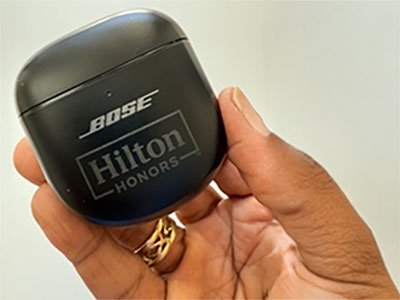
Several weeks later, a package arrived containing premium Bose QuietComfort Ultra earbuds and a personalized booklet detailing my journey with the brand. This gesture succeeded where many loyalty programs fail because it demonstrated three critical elements of effective customer recognition.
The Anatomy of Effective Loyalty Rewards
The Power of Surprise. The unexpected nature of this gesture amplified its impact. I had already received the promised benefit, lifetime Diamond status. The headphones were an added touch, transforming satisfaction into delight and creating a story worth sharing with colleagues, friends, and apparently, blog readers.
Personalization That Resonates. The accompanying booklet wasn’t generic marketing material. It was my story with the brand. Twenty-two years of loyalty, 729 nights across 209 different properties, cities visited, milestones reached. This level of personalization showed that Hilton viewed me not as an account number, but as an individual with a unique relationship with their brand. As my wife wryly noted, those 729 nights represented two full years of my life spent away from home in Hilton properties.
Thoughtful, Valuable Rewards. The gift itself was thoughtful. Rather than generic branded merchandise, they chose noise-cancelling headphones, genuinely useful for any frequent traveler. More importantly, these were premium Bose QC Ultra earbuds (worth $300) that I would actually want to use, creating positive brand associations every time I travel, regardless of which hotel chain I choose, and reinforcing the Hilton brand each time I use them.
Strategic Benefits of Recognizing Top Loyalty
Rewarding your most loyal customers delivers measurable business benefits that go far beyond the immediate recipients. Research consistently shows that loyal customers not only spend more themselves but also become brand advocates, driving referrals and positive word-of-mouth.